

Guide

The Power of Ergonomic Chairs for Spinal Health
In our modern, sedentary lifestyles, back pain has become an all too common complaint. Whether you spend your days working at a desk or enjoy long gaming sessions, the toll on your spine can be significant. However, the solution may be simpler than you think. Investing in an ergonomic chair could be the key to alleviating and preventing back pain. In this article, we will delve into the intricacies of ergonomic chairs and how they play a crucial role in supporting spinal health. Understanding the Epidemic of Back Pain Back pain is a prevalent issue affecting millions of people worldwide. Sedentary lifestyles, poor posture, and extended periods of sitting contribute to the epidemic. According to the World Health Organization (WHO), lower back pain is the leading cause of disability globally. As we spend more time sitting at desks, computers, and gaming consoles, the need for effective solutions to combat back pain has never been more critical. The Impact of Poor Posture on Spinal Health One of the primary culprits behind back pain is poor posture. Slouching, hunching over, and maintaining improper alignment of the spine can lead to various musculoskeletal issues. When you sit for extended periods with inadequate support for your spine, it puts excessive strain on the muscles, ligaments, and discs in your back, leading to discomfort and pain. Ergonomic Chairs: A Panacea for Back Pain Ergonomic chairs are designed with the human body in mind, providing optimal support and comfort to prevent and alleviate back pain. These chairs are adjustable and customizable, catering to individual needs and promoting a healthier sitting experience. Let's explore the key features that make ergonomic office chairs a panacea for back pain. Adjustable Lumbar Support One of the defining features of ergonomic chairs is their adjustable lumbar support. The lumbar region, or lower back, bears the most weight and is particularly susceptible to strain. Ergonomic chairs allow users to customize the lumbar support to match their natural spine curvature, reducing stress on the lower back and promoting proper alignment. Proper Seat Depth and Width Ergonomic chairs are designed with seat depth and width that accommodate various body types. A seat that is too short or too long can lead to discomfort and poor posture. By providing a seat that supports the entire length of your thighs and promotes a neutral pelvis position, ergonomic chairs contribute to a healthier spine. Adjustable Armrests Armrests play a crucial role in supporting the upper body and preventing shoulder and neck strain. Ergonomic chairs come with adjustable armrests, allowing users to position them at the right height to maintain a natural and relaxed posture. This feature aids in reducing tension in the upper back and shoulders. Dynamic Movement and Swivel Mechanism Static sitting can contribute to stiffness and discomfort. Ergonomic chairs often come with a swivel mechanism that allows users to rotate and reach different areas of their workspace without straining the spine. Some models also include features that encourage dynamic movement, promoting blood circulation and preventing muscle fatigue. High-Quality Materials and Padding The materials used in ergonomic chairs are carefully selected to provide both support and comfort. High-density foam padding, breathable fabrics, and durable materials ensure that users can sit for extended periods without compromising spinal health. The quality of these materials contributes to the longevity of the chair and its effectiveness in preventing back pain. Adjustable Height and Tilt Mechanism Maintaining the correct height in relation to your desk is essential for proper posture. Ergonomic chairs come with adjustable height settings, allowing users to align their eyes with the top of their screens. Additionally, a tilt mechanism enables users to recline slightly, reducing pressure on the spine and distributing body weight more evenly. The Importance of Ergonomic Design in the Workplace The adoption of ergonomic chairs is not only beneficial for individuals but also plays a crucial role in creating a healthier workplace environment. Employers are increasingly recognizing the importance of providing ergonomic furniture to enhance the well-being and productivity of their workforce. A well-designed ergonomic office chair can contribute to a positive work culture, reducing absenteeism due to back-related issues and promoting employee satisfaction. Choosing the Right Ergonomic Chair With a myriad of options available in the market, choosing the right ergonomic chair requires careful consideration. Here are some factors to keep in mind: Body Type and Size: Consider chairs that accommodate your body type and size, ensuring that the seat depth, width, and height are suitable for your proportions. Adjustability: Look for chairs with a wide range of adjustability, including lumbar support, armrests, and height. The more customizable the chair, the better it can cater to your specific needs. Material Quality: Opt for chairs made from high-quality materials that provide both durability and comfort. Breathable fabrics can be particularly beneficial for those who spend extended hours in their chairs. Budget: While ergonomic chairs are an investment in spinal health, it's essential to consider your budget. There are options available at various price points, so finding a chair that meets your needs without breaking the bank is possible. Conclusion Back pain is a pervasive issue in our modern society, often exacerbated by our sedentary lifestyles. Ergonomic chairs emerge as a simple yet effective solution to this prevalent problem. By providing proper support, adjustability, and comfort, these chairs play a pivotal role in promoting spinal health and preventing musculoskeletal issues associated with prolonged sitting. As we continue to prioritize our well-being, investing in an ergonomic chair becomes not just a choice but a necessity. Whether in the office or at home, the adoption of ergonomic furniture contributes to a positive shift in our approach to health and productivity. Say goodbye to back pain and embrace the comfort and support that ergonomic chairs bring to your life. Your spine will thank you.
Learn more
Ergonomic Office Chairs vs. Traditional Chairs
The choice between ergonomic office chairs and traditional chairs can greatly impact productivity, health, and overall well-being. In this article, we will delve into the key differences between ergonomic office chairs and traditional chairs, exploring the reasons why investing in comfort is not just a luxury but a strategic decision for individuals and businesses alike. I. Understanding Ergonomic Office Chairs: Ergonomic office chairs are designed with the human body's biomechanics in mind. These chairs are crafted to provide optimal support to the spine, promote good posture, and reduce the risk of musculoskeletal issues associated with prolonged sitting. Here are some key features that distinguish ergonomic office chairs: Adjustability: Ergonomic chairs come with a range of adjustable features, including seat height, lumbar support, armrests, and recline options. This adaptability allows users to customize the chair to their specific body dimensions and preferences, ensuring a comfortable and supportive seating experience. Lumbar Support: Proper lumbar support is crucial for maintaining the natural curve of the spine. Ergonomic chairs typically feature adjustable lumbar support, providing targeted support to the lower back and preventing slouching, a common issue with traditional chairs. Posture Improvement: Ergonomic chairs are designed to promote a neutral sitting position, helping users maintain good posture throughout the day. This not only reduces the risk of back pain but also enhances overall comfort and concentration. Breathable Materials: Many ergonomic chairs are constructed using breathable materials that promote air circulation, preventing discomfort and sweat buildup during extended periods of sitting. II. The Pitfalls of Traditional Chairs: While traditional chairs may be aesthetically pleasing or budget-friendly, they often lack the ergonomic features necessary for prolonged comfort and health. Here are some shortcomings of traditional chairs: Limited Adjustability: Traditional chairs typically offer limited adjustability, if any at all. This one-size-fits-all approach can lead to discomfort, especially for individuals with different body types and preferences. Poor Lumbar Support: The majority of traditional chairs lack adequate lumbar support, which can result in poor posture and contribute to back pain over time. The absence of targeted lower back support is a significant drawback for those who spend long hours at a desk. Static Design: Traditional chairs are often designed with a fixed structure that does not adapt to the natural movements of the body. This static design can lead to stiffness, discomfort, and reduced circulation during extended periods of sitting. Impact on Productivity: Discomfort caused by traditional chairs can have a direct impact on productivity. Employees who are uncomfortable are more likely to take frequent breaks or experience distractions, hindering their ability to focus on tasks. III. Health Benefits of Ergonomic Chairs: Investing in ergonomic office chairs goes beyond mere comfort; it directly contributes to the long-term health and well-being of individuals. Here are some health benefits associated with using ergonomic chairs: Prevention of Musculoskeletal Issues: Ergonomic chairs are designed to reduce the risk of musculoskeletal problems such as back pain, neck strain, and shoulder discomfort. By promoting proper alignment and support, these chairs help prevent the development of chronic conditions associated with poor posture. Improved Circulation: The ergonomic design of these chairs often includes features that enhance blood circulation. Proper circulation is essential for reducing the risk of numbness, tingling, and long-term health issues related to poor blood flow. Enhanced Focus and Productivity: Comfortable seating positively impacts concentration and productivity. Ergonomic chairs enable individuals to maintain focus for longer periods, reducing the need for frequent breaks and distractions. Reduced Fatigue: Prolonged sitting in traditional chairs can lead to fatigue and discomfort. Ergonomic chairs, with their adjustable features and supportive design, help reduce physical strain, keeping individuals energized and focused throughout the workday. IV. Business Considerations: For businesses, the choice between ergonomic office chairs and traditional chairs is not merely about employee comfort—it's a strategic investment in the company's success. Here's why businesses should prioritize ergonomic seating: Employee Retention and Satisfaction: Providing ergonomic chairs signals to employees that their well-being is a priority for the company. This can contribute to higher job satisfaction, employee retention, and a positive workplace culture. Reduced Healthcare Costs: Ergonomic chairs can contribute to a healthier workforce, reducing the likelihood of employees developing musculoskeletal issues that may lead to costly medical treatments and absenteeism. Increased Productivity: Comfortable employees are more likely to be focused and productive. By investing in ergonomic seating, businesses can enhance employee performance and contribute to the overall success of the organization. Demonstrating Corporate Responsibility: Companies that prioritize the health and comfort of their employees demonstrate a commitment to corporate responsibility. This can enhance the company's reputation, making it an attractive workplace for top talent. V. Making the Switch: Tips for Transitioning to Ergonomic Chairs: For individuals or businesses considering the switch to ergonomic office chairs, here are some tips for a smooth transition: Employee Education: Provide information and training on the benefits of ergonomic seating. Educate employees on how to adjust their chairs for optimal comfort and encourage them to take advantage of the available features. Gradual Implementation: If budget constraints are a concern, consider a phased approach to implementing ergonomic chairs. Start with key areas or departments and gradually expand the transition over time. Trial Periods: Offer employees the opportunity to try out ergonomic chairs on a trial basis. This allows individuals to experience the benefits firsthand and provides valuable feedback for fine-tuning the selection process. Consultation with Ergonomic Experts: Consider consulting with ergonomic experts or occupational health professionals to ensure that the chosen chairs meet the specific needs of the workforce. Their insights can help tailor the selection to the unique requirements of the individuals using the chairs. VI. Conclusion: In the ongoing debate between ergonomic office chairs and traditional chairs, the evidence overwhelmingly supports the benefits of investing in comfort. Ergonomic chairs go beyond mere aesthetics, offering a range of features that contribute to the health, well-being, and productivity of individuals in a professional setting. As the understanding of the impact of sedentary work on health continues to grow, the choice of seating becomes increasingly critical. Whether for personal use or within a corporate environment, the decision to invest in ergonomic office chairs is an investment in the long-term success and happiness of individuals and the organizations they contribute to. In the ever-evolving landscape of the modern workplace, comfort is not just a luxury—it's a strategic necessity.
Learn more
A Guide to Choosing the Perfect Ergonomic Office Chair for You
The right chair not only enhances comfort but also contributes to overall well-being and productivity. In this comprehensive guide, we will explore the key factors to consider when choosing an ergonomic office chair that aligns with your needs and preferences. Understanding Ergonomics Ergonomics is the science of designing and arranging items in a way that maximizes efficiency and comfort. When it comes to office chairs, ergonomic design focuses on supporting the body's natural posture, reducing the risk of musculoskeletal disorders, and promoting overall health. Key Features of an Ergonomic Office Chair Adjustable Seat Height One of the fundamental features of an ergonomic office chair is adjustable seat height. Your feet should rest flat on the floor, with your knees forming a 90-degree angle. This ensures proper blood circulation and reduces the risk of discomfort or fatigue during long working hours. Lumbar Support Adequate lumbar support is crucial for maintaining the natural curve of your spine. The lumbar region, or lower back, tends to bear the most strain when sitting for extended periods. Look for a chair with adjustable lumbar support to ensure it aligns with the natural curvature of your spine, providing both comfort and stability. Seat Depth and Width The seat depth and width of an ergonomic chair should accommodate different body types. A seat that is too deep may put pressure on the back of your knees, while a seat that is too narrow can cause discomfort. Choose a chair with adjustable seat depth and width settings to find the optimal fit for your body. Armrests Adjustable armrests play a crucial role in supporting your arms and reducing strain on your shoulders and neck. Look for chairs with armrests that can be customized to your preferred height and width. Ensure that the armrests allow your arms to rest comfortably while keeping your shoulders relaxed. Reclining Functionality Having the option to recline your chair promotes dynamic sitting and reduces the risk of stiffness. Look for a chair with a reclining mechanism that allows you to lean back comfortably, supporting various sitting postures throughout the day. Some chairs also come with a tilt function, allowing you to recline while maintaining good lumbar support. Material and Cushioning The material and cushioning of the chair significantly impact your comfort. Opt for a chair with breathable, high-quality fabric or mesh to prevent overheating. The cushioning should provide adequate support without being too soft or too firm. Memory foam or dense padding can be excellent choices for long-term comfort. Swivel and Casters A swivel base and smooth-rolling casters enhance mobility and accessibility within your workspace. The ability to turn easily and move across the office without straining contributes to a more efficient and comfortable work experience. Choosing the Right Ergonomic Chair for Your Needs Now that we've explored the key features of ergonomic office chairs, let's delve into the process of selecting the right chair for your specific needs. Assess Your Work Environment Consider your workspace and the nature of your tasks. If you have a dedicated office with ample space, a larger chair with additional features may be suitable. On the other hand, if you work in a smaller or shared space, a more compact chair may be practical. Identify Your Body Type Body type plays a significant role in choosing the right chair. Consider your height, weight, and any specific ergonomic needs based on your body's proportions. Some chairs are designed to accommodate taller individuals, while others cater to a broader range of body types. Set a Budget Ergonomic office chairs come in a wide range of price points. Set a realistic budget based on your preferences and requirements. While high-end chairs may offer advanced features, there are also budget-friendly options that provide excellent ergonomic support. Test Before You Buy Whenever possible, try out the chair before making a purchase. Sit in it for an extended period to assess comfort and support. Pay attention to how the chair feels in different positions and whether it accommodates your natural sitting posture. Read Reviews and Ratings Take advantage of online resources to read reviews and ratings from other users. This can provide valuable insights into the durability, comfort, and overall satisfaction of a particular chair. Look for reviews from individuals with similar needs and preferences to yours. Conclusion Choosing the right ergonomic office chair is a crucial investment in your health, well-being, and productivity. By considering factors such as adjustable features, lumbar support, and material quality, you can find a chair that suits your specific needs. Remember to assess your work environment, body type, and budget to make an informed decision. Taking the time to research and test chairs will ultimately lead to a more comfortable and supportive workspace, enhancing your overall work experience.
Learn more
Ergonomic Office Chairs: The Key to Productivity and Well-being in the Workplace
One often overlooked aspect that can significantly impact productivity is the comfort of the workspace, particularly the office chair. In recent years, there has been a growing emphasis on the importance of ergonomic office furniture, with ergonomic chairs taking center stage. This article delves into the science of comfort, exploring how ergonomic office chairs can boost productivity and enhance overall well-being. Understanding Ergonomics: Ergonomics is the science of designing products and environments to suit the needs and capabilities of the human body. When applied to office furniture, including chairs, the goal is to create a workspace that promotes comfort, efficiency, and overall well-being. Ergonomic office chairs are specifically designed to support the natural curvature of the spine and provide optimal comfort during prolonged periods of sitting. The Impact of Comfort on Productivity: Posture and Spinal Health: One of the key features of ergonomic office chairs is their ability to support proper posture. Maintaining a neutral spine position reduces the risk of developing musculoskeletal issues, such as back pain and stiffness. When employees are comfortable and free from discomfort, they are more likely to stay focused and engaged in their work. Reduced Fatigue and Discomfort: Traditional office chairs often lack the necessary support for long hours of sitting, leading to fatigue and discomfort. Ergonomic chairs, on the other hand, are designed with features such as lumbar support, adjustable armrests, and seat height customization. These features help distribute the body's weight evenly, reducing pressure on certain areas and minimizing discomfort. Increased Blood Circulation: Prolonged periods of sitting can impede blood circulation, leading to fatigue and decreased alertness. Ergonomic chairs are designed to promote better blood flow by allowing users to adjust the chair's height and tilt. This increased circulation contributes to improved energy levels, helping employees stay more focused and productive throughout the day. Enhanced Concentration and Focus: Discomfort and pain can be significant distractions, hindering an employee's ability to concentrate on their tasks. Ergonomic chairs eliminate these distractions, allowing individuals to maintain better focus on their work. As a result, employees are more likely to complete tasks efficiently and with higher quality. The Features of Ergonomic Office Chairs: Lumbar Support: Ergonomic chairs typically come with built-in lumbar support, which helps maintain the natural curve of the lower spine. This feature prevents slouching and reduces the risk of developing lower back pain. Adjustable Seat Height: The ability to adjust the height of the chair ensures that individuals can position themselves at the most comfortable and ergonomic level for their specific desk or workstation. Armrest Customization: Adjustable armrests allow users to position their arms comfortably, reducing strain on the shoulders and neck. This feature is particularly beneficial for those who spend extended periods typing or using a computer mouse. Tilt Mechanism: Many ergonomic chairs come with a tilt mechanism that allows the user to recline slightly. This feature promotes dynamic sitting, reducing pressure on the spine and improving overall comfort during prolonged sitting periods. Material and Padding: High-quality materials and ample padding are common characteristics of ergonomic chairs. This ensures that the chair remains comfortable even after extended use, providing support and cushioning where it is needed most. Investing in Employee Well-being: Companies are increasingly recognizing the importance of investing in their employees' well-being as a means of improving productivity and reducing absenteeism. Providing ergonomic office chairs is a tangible way for employers to demonstrate their commitment to the health and comfort of their workforce. In the long run, this investment can result in a positive return, as employees are more likely to stay engaged, focused, and satisfied with their work environment. Tips for Choosing the Right Ergonomic Chair: Adjustability: Look for chairs with a wide range of adjustable features, including seat height, armrests, and lumbar support. The more customizable the chair, the better it can accommodate individual preferences and body types. Material Quality: Choose chairs made from high-quality materials that provide both comfort and durability. Breathable fabrics can also contribute to a more comfortable sitting experience. Testing and Feedback: Before making a bulk purchase, allow employees to test different ergonomic chair models. Gather feedback to ensure that the selected chairs meet the diverse needs of your workforce. Budget Considerations: While it's essential to invest in quality ergonomic chairs, there are options available at various price points. Consider your budget and prioritize features that align with the specific needs of your employees. Conclusion: In the quest for increased productivity, businesses must recognize the impact of a comfortable and ergonomically designed workspace. Ergonomic office chairs play a pivotal role in creating an environment that promotes employee well-being, reduces discomfort, and enhances concentration. By understanding the science of comfort and investing in quality ergonomic furniture, companies can not only boost productivity but also foster a positive and healthy work culture. As the saying goes, a happy and comfortable employee is a productive employee, and the humble ergonomic chair is a vital tool in achieving this balance.
Learn more
Sihoo Anti-Gravity Mechanism Development Story
According to research from health care institutions, people in modern society spend an average of 9.3 hours sitting in office chairs every day. A well-designed, comfortable chair not only provides appropriate support for your weight, but also ensures adequate comfort. The structure of the chair plays a vital role, with the mechanism being the most important. I. The importance of mechanism The sixth generation anti-gravity mechanism is technologically advanced For nearly 30 years, Sihoo's anti-gravity mechanism has been at the pinnacle of comfortable seating technology. Often referred to as the heart of the ergonomic chair, this mechanism is comparable to the engines of cars and rockets and represents the Mount Everest of chair technology. It integrates functions such as overall adjustment knob, tilt angle control, and linkage support force control, which ultimately affects the comfort of the chair. The quality of a chair is fundamentally determined by its mechanics. According to Blanton's "Postural Balance Theory," sitting for long periods of time can cause discomfort, even if the chair is comfortable and theoretically sound. This is where dynamic support becomes critical. This mechanism is key to achieving better adaptation of the chair back to the curvature of the spine and the dynamic support required for various body movements. II. Current State of mechanism Technology In the over 100-year history of ergonomic chairs, mechanism technology has evolved from fixed mechanism to the latest fiberglass mechanism, representing five generations of iterative updates. Each leap in mechanism technology is closely tied to breakthroughs in fundamental sciences such as ergonomics, materials science, and biomechanics. First Generation Fixed mechanism: Basic and low-tech, mainly used for fixed support and cushion adjustment in ordinary chairs. Second Generation Single Torsion Spring mechanism: Limited functionality, used in lower-priced ergonomic chairs. Third Generation Single Coil Spring mechanism: Improved features compared to the previous generations but with uneven resistance during reclining. Fourth Generation Double Coil Spring mechanism: Upgraded version with some independent design for better comfort. Fifth Generation Traditional Double Fiberglass mechanism (Small Reclining Angle): Independent design and development, addressing issues of uneven resistance. However, limited by technology, the reclining angle is small. Sixth Generation anti-gravity mechanism (Large Reclining Angle): Sihoo's breakthrough with a nearly flat 145° reclining angle, using high-performance glass fiber material and a four-bar linkage structure for superior comfort and support. III. Sihoo’s innovative anti-gravity mechanism The double fiberglass spring mechanism represents the pinnacle of current mechanism technology. However, this technology has been monopolized by the United States, Japan and other countries for a long time, resulting in Sihoo being limited to the low-end market. The launch of Sihoo Doro S300 with a large anti-gravity mechanism has attracted great attention in the industry. Five major breakthroughs in Sihoo’s anti-gravity mechanism: 1. Angle breakthrough: 145° large tilt angle, healthy and comfortable Achieving large tilt angles using dual fiberglass springs is a significant challenge. Sihoo's anti-gravity mechanism breaks through traditional limitations and provides a nearly flat 145° tilt angle, setting a world-leading standard. 2. Material breakthrough: creative use of aerospace materials Taking into account the diversity of individual sitting positions and the frequent use of tilt, Nishihou's research team drew inspiration from spacecraft. They have introduced a special high-performance fiberglass material that meets the requirements of aerospace applications, forming a new generation of fiberglass spring substrates. 3. Mechanical breakthrough: elastic balance Sihoo aerospace fiberglass springs overcome the inherent limitations of traditional spring materials such as uneven elasticity, fatigue, and poor durability. They have passed 300,000 durability tests and maintained balanced elasticity. 4. Structural breakthrough: four-bar linkage coordinated movement According to research, a reasonable chair seat inclination can reduce the stretching of back and leg muscles and ensure even pressure distribution. Sihoo's innovative four-bar linkage mechanism allows the chair back to move in coordination with the user's body when leaning, providing dynamic support and relieving fatigue from prolonged sitting. 5. Comfort breakthrough: floating feeling, healthy support Improving the comfort of the chair is a key goal of each generation of the mechanism. Sihoo's large-scale anti-gravity mechanism completely solves the fundamental problems of traditional spring mechanisms through aerospace fiberglass springs and four-link structures. Users can adjust the optimal softness according to their weight to achieve a floating feeling at any angle and a zero-gravity back pressure experience, ensuring no fatigue or discomfort when sitting for long periods of time.
Learn more
Sihoo Doro S Series Buyer Show - Your Gateway to High-Value Rewards!
Are you a proud owner of the Sihoo Doro S Series (Doro S100 or Doro S300)? Here's your chance to showcase your unique style and win amazing prizes! Sihoo is hosting an exciting Buyer Show Event, inviting all dedicated customers to share their experiences with the Doro S Series on Instagram. Get ready to unleash your creativity and stand a chance to win free orders and other luxurious prizes! Here’s how to participate: 1. Purchase S series products (Sihoo Doro S300 or Sihoo Doro S100) and share photos or videos on your personal Instagram account.2. Follow @sihoo__official.3. Mention @sihoo__official.4. Use the hashtags #SihooDoroS300 and #DefyGravityWithSihoo📅 Deadline: April 24th , 2024🏆PRIZES and Winning Announcement:A total of 9 lucky winners will be selected on March 14th, April 8th and April 25th, and will be announced on the Sihoo official website.March 14th: Free order x 2 and Apple AirPods Pro (2nd gen) x 1April 8th: Free order x 2 and Apple Watch SE x 1April 25th: Free order x 2 and PlayStation 5 x 1 ✨Content Guidelines: Share high-quality images that showcase the Sihoo Doro S Series.Provide a detailed description of your experience, highlighting the features and benefits that impressed you the most.Winners will be selected through a combination of the quality of the entries and interaction data of the post.Get ready to express your creativity and share your authentic feedback about your experience with the Sihoo Doro S Series. Defy gravity with Sihoo!
Learn more
A Guide to the Pros and Cons of Ergonomic Office Chairs
In the modern workplace, where long hours are spent seated at desks, the importance of ergonomic chairs cannot be overstated. A well-designed ergonomic chair not only promotes comfort but also contributes to overall health and productivity. However, with a plethora of options available, choosing the right ergonomic chair can be a daunting task. In this comprehensive blog, we will explore various types of ergonomic office chairs, delving into their pros and cons to help you make an informed decision. High-Back Task Chairs: Pros: Neck and Head Support: High-back chairs provide adequate support for the neck and head, reducing the risk of strains. Improved Posture: The tall backrest encourages a more upright posture, reducing the strain on the spine. Comfortable for Extended Use: Ideal for individuals who spend long hours working at a desk. Cons: Limited Mobility: The high back may limit mobility for tasks that require reaching or turning. Space Requirements: These chairs may not be suitable for smaller workspaces due to their size. Mesh Office Chairs: Pros: Breathability: Mesh chairs offer excellent ventilation, keeping users cool during extended periods of sitting. Flexible Support: The mesh material conforms to the user's body shape, providing personalized support. Modern Aesthetics: Sleek and contemporary designs make mesh chairs visually appealing. Cons: Durability Concerns: Some users may worry about the long-term durability of mesh material. Less Padding: Mesh chairs may have less padding compared to other types, impacting comfort for some users. Ergonomic Ball Chairs: Pros: Active Sitting: Promotes active sitting, engaging core muscles and improving posture. Versatility: Can be used as both an office chair and for exercise purposes. Postural Benefits: Encourages a dynamic sitting position, reducing the risk of sedentary-related issues. Cons: Adjustment Period: Users may need time to adapt to sitting on a ball, initially finding it uncomfortable. Limited Back Support: Lacks traditional back support, which might be a concern for some individuals. Kneeling Chairs: Pros: Improved Posture: Encourages a forward-leaning posture that reduces lower back strain. Engages Core Muscles: Strengthens core muscles while sitting. Compact Design: Suitable for smaller workspaces. Cons: Leg Discomfort: Extended use may lead to discomfort in the shins and knees. Not Ideal for Everyone: Some users may find kneeling chairs awkward and challenging to use. Reclining Ergonomic Chairs: Pros: Versatility: Can be adjusted for various sitting positions, including reclining for relaxation. Full Body Support: Provides support for the entire body, including lumbar and neck areas. Ideal for Breaks: Suitable for short breaks or moments of relaxation during work. Cons: Space Requirements: Reclining chairs may need more space compared to standard office chairs. Cost: High-quality reclining ergonomic chairs can be expensive. Conclusion Choosing the right ergonomic office chair depends on individual preferences, work requirements, and health considerations. Each type of chair has its unique advantages and drawbacks, so it's essential to prioritize features that align with your specific needs. Whether you opt for a high-back task chair, a mesh chair, an ergonomic ball chair, a kneeling chair, or a reclining chair, investing in ergonomic furniture can significantly impact your well-being and productivity in the workplace.
Learn more
Sihoo Doro S100 Elevating Your Workspace with Style and Comfort
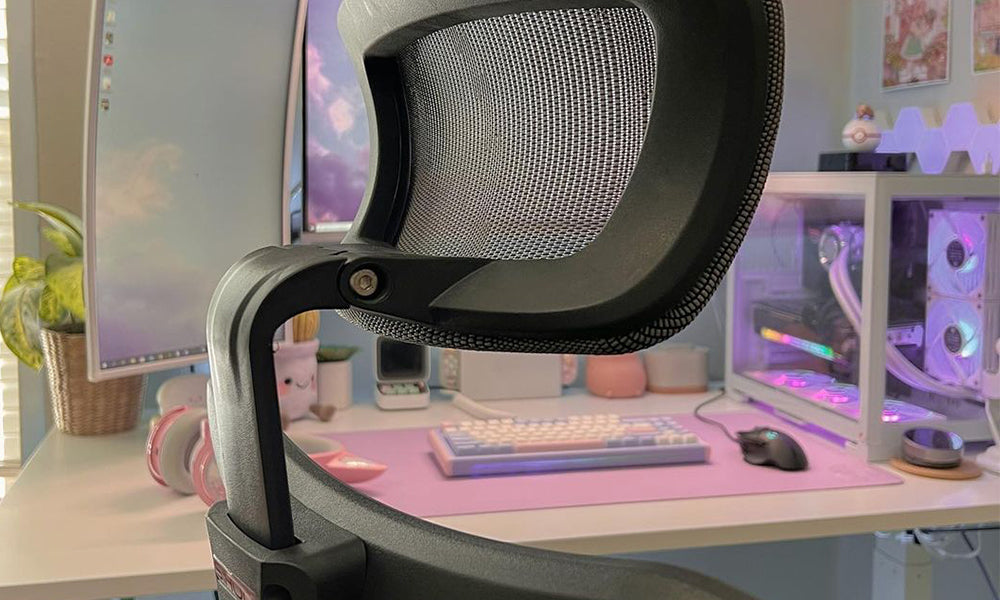
Comfort often takes a back seat to productivity, and finding the perfect balance between style and functionality in your everyday tools becomes crucial. One such piece that has caught the attention of many is the Sihoo Doro S100, a chair designed with a focus on both aesthetics and comfort. In this blog post, we will delve into the intricacies of its design, with a particular emphasis on its accommodating backrest and wide spacious headrest. Accommodating Backrest: One of the standout features of the Sihoo Doro S100 is its accommodating backrest. Whether you're on the shorter side at 5' (150 cm) or towering at 6'3" (190 cm), this chair promises to provide adequate support to your shoulders and neck. The upper half of the backrest can be adjusted separately in 5 levels, allowing for a customizable experience tailored to your unique body proportions. The importance of adjustable backrests cannot be overstated. In an era where individuals spend prolonged hours at their desks, be it working from home or in an office setting, ergonomic support is paramount. The Sihoo Doro S100 addresses this need by offering a range of adjustments that ensure optimal comfort. The lumbar support, a crucial element for maintaining a healthy posture, stays in the right place to effectively cradle your lower back, preventing discomfort and potential long-term issues. This level of customization is a game-changer, as it acknowledges that one size does not fit all when it comes to seating arrangements. The Sihoo Doro S100 doesn't just provide a chair; it provides an experience tailored to your body, promoting a healthier and more enjoyable sitting experience. Wide Spacious Headrest: Moving up from the lumbar region, the Sihoo Doro S100 boasts a wide and spacious headrest that adds an extra layer of comfort to your sitting experience. The headrest is not just an afterthought; it's a carefully designed element that perfectly contours to the curve of your neck. Imagine being able to comfortably rest your head on the side during a break or moments of contemplation. The generously sized surface of the headrest allows for just that. It goes beyond being a mere accessory – it becomes a support system for your head and neck, reducing strain and fatigue associated with extended periods of sitting. The ergonomic design of the headrest aligns with the broader philosophy of the Sihoo Doro S100 – marrying style with functionality. The chair doesn't compromise on aesthetics while ensuring that every component serves a practical purpose. This commitment to both form and function is what sets the Sihoo Doro S100 apart in the competitive world of office chairs. Style Meets Comfort: As the title suggests, the Sihoo Doro S100 is a testament to the successful integration of style and comfort. It's not just a chair; it's a statement piece that adds a touch of sophistication to any workspace. The sleek lines, the quality materials, and the thoughtful design elevate it beyond the realm of ordinary office furniture. The blend of aesthetics and functionality is a delicate dance that many products struggle with, but the Sihoo Doro S100 executes it with finesse. The clean and modern design seamlessly integrates with the ergonomic features, creating a harmonious piece that caters to the needs of the modern professional. Conclusion: In the pursuit of a comfortable and stylish workspace, the Sihoo Doro S100 emerges as a frontrunner. Its accommodating backrest and wide spacious headrest showcase a commitment to user experience that goes beyond the surface. This is a chair designed to support you through the demands of a busy day while enhancing the visual appeal of your workspace. Investing in a chair like the Sihoo Doro S100 is not just about acquiring furniture; it's about making a conscious choice to prioritize your well-being. In a world where we spend a significant portion of our lives seated, the importance of a chair that blends style and comfort cannot be overstated. The Sihoo Doro S100 stands as a testament to the idea that you don't have to sacrifice one for the other – you can indeed have both.
Learn more
Personalizing Your Workspace with the Sihoo Doro S100 Chair
Enter the Sihoo Doro S100, a revolutionary chair designed to elevate your comfort levels to new heights. In this blog, we will delve into the intricacies of this ergonomic marvel and explore how you can personalize it to create your perfect comfort zone. I. Dual Dynamic Lumbar Support: A Game-Changer for Lower Back Comfort The Sihoo Doro S100 boasts dual dynamic lumbar support, a feature that sets it apart from conventional office chairs. This innovation caters to the unique curvature of your lower back, providing unparalleled comfort and support. The adjustable lumbar support ensures that your spine is in its natural alignment, reducing the risk of back pain and discomfort caused by prolonged sitting. Understanding the mechanism behind this dual dynamic lumbar support is key to personalizing your comfort. The chair's intuitive design allows you to tailor the lumbar support to your liking, ensuring a personalized fit that suits your body's unique contours. Experiment with different settings to find the perfect balance that cradles your lower back, offering both support and flexibility. II. Independent Backrest: Ensuring Adequate Support for Your Entire Back A common complaint with traditional office chairs is the lack of comprehensive back support. The Sihoo Doro S100 addresses this concern with its independent backrest design. The backrest is not only adjustable in terms of height but also in terms of angle, allowing you to customize the chair to fit the natural curve of your spine. To personalize your comfort zone, take advantage of the independent backrest adjustment. Experiment with different angles to find the sweet spot that provides optimal support for your entire back. Whether you prefer a slightly reclined position for relaxation or an upright stance for focused work, the Sihoo Doro S100 accommodates your preferences with ease. III. 4D Coordinated Armrests: Resting Your Arms in Style Armrests are often an overlooked aspect of chair design, yet they play a crucial role in maintaining overall comfort. The Sihoo Doro S100 takes armrest functionality to the next level with its 4D coordinated armrests. These adjustable armrests can be personalized to accommodate various postures, ensuring that your arms are well-supported, whether you're typing away on a keyboard or taking a moment to relax. Experiment with different armrest configurations to find the perfect alignment for your arms. Whether you prefer a higher position for ergonomic typing or a lower setting for a more relaxed posture, the 4D coordinated armrests of the Sihoo Doro S100 cater to your individual needs. IV. Premium Elastic Mesh: Breathable, Supportive, and Comfortable The material of your chair can significantly impact your overall comfort. The Sihoo Doro S100 features a premium elastic mesh that combines breathability, support, and comfort in one sleek package. This innovative mesh material allows for optimal air circulation, preventing discomfort caused by heat and sweat during prolonged sitting. To personalize your comfort experience, pay attention to the mesh tension adjustment feature. This allows you to customize the firmness of the chair's seat and back, tailoring it to your specific preferences. Whether you prefer a firmer feel for enhanced support or a softer touch for a more relaxed sensation, the premium elastic mesh of the Sihoo Doro S100 can be adjusted to suit your liking. V. Seat Depth Adjustment: Tailoring Your Chair to Different Heights One size does not fit all when it comes to chairs, and the Sihoo Doro S100 acknowledges this with its seat depth adjustment feature. This functionality allows you to customize the depth of the chair's seat, ensuring a comfortable fit for individuals of varying heights. To personalize your comfort zone, experiment with the seat depth adjustment to find the ideal position for your legs. A proper seat depth ensures that your thighs are fully supported while maintaining a natural bend at the knees. This not only enhances comfort but also promotes good posture, reducing the strain on your lower back. Conclusion In the quest for a personalized comfort zone, the Sihoo Doro S100 emerges as a champion. With its dual dynamic lumbar support, independent backrest, 4D coordinated armrests, premium elastic mesh, and seat depth adjustment, this ergonomic masterpiece allows you to tailor your sitting experience to perfection. By understanding and utilizing these features, you can create a workspace that not only meets your functional needs but also prioritizes your well-being. Invest in your comfort today and transform your daily routine with the Sihoo Doro S100.
Learn more